Measured Hfactor and phase as a function of the modulation frequency... Download Scientific

The h-Index is a primary author level metric designed to measure research quality over time, and accounts for both the scholarly productivity and the research impact of the author. The h-Index is calculated as follows - H stands for the number of articles that have each been cited H number of times. So, an h-Index of 30 means that the author has published 30 articles that have each been cited.
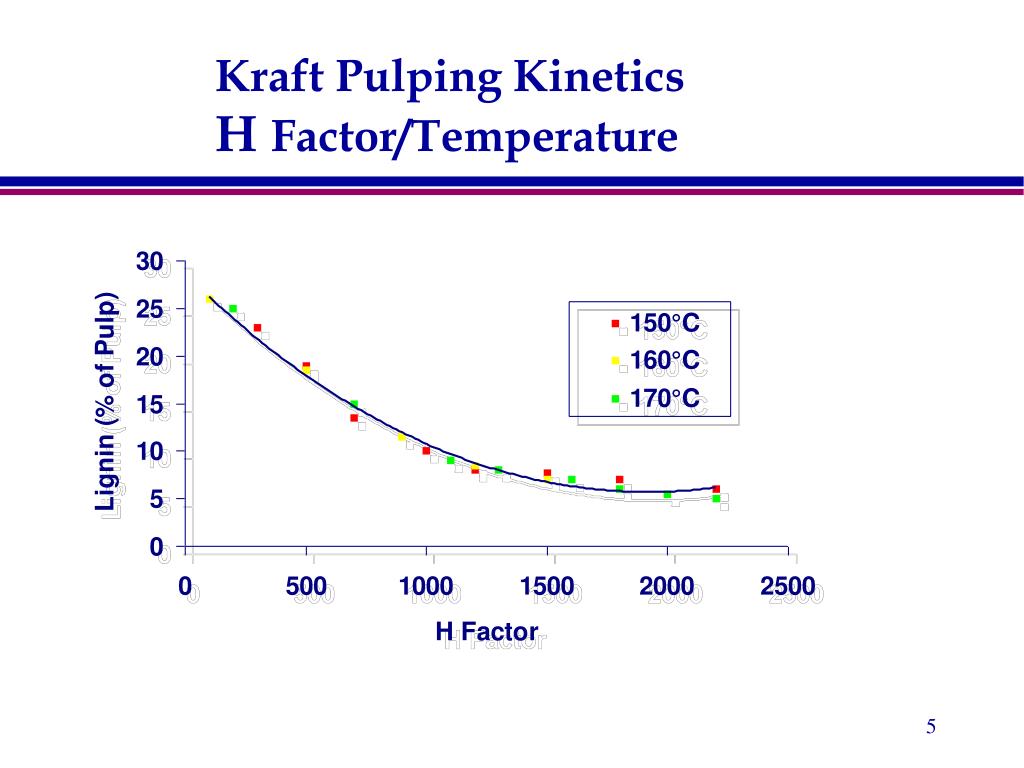
PPT Delignification Models H Factor Model PowerPoint Presentation ID193611
Content: Step 1: Go to the Web of Science search form. Step 2: Screen the search results and create a citation report. Step 3: Assess the Web of Science h-index. Troubleshooting: what to do when there are articles that were wrongly assigned. It's not just authors you can calculate an h-index for on Web of Science.
Web of Science Calculating hindex for Specific Years
The h-index is sometimes referred to as the Hirsch index or Hirsch number.) e.g., an h-index of 25 means the researcher has 25 papers, each of which has been cited 25+ times. STEP 1: Access Web of Science. Locate the Web of Science link on the Library website. If you are accessing the application remotely remember to use the remote access link.
Playing ‘hideandseek’ with factor H gametheoretical analysis of a single nucleotide

The h-index has attracted wide attention from both scientometricians and science policy makers since it was proposed in 2005. Advocates champion h-index for its simplicity embracing both quantity and quality, while also express concern about its abuse in research evaluation practices and database-dependence attribute. We argue that it is increasingly important to calculate and interpret the h.
(PDF) Reference Intervals of Factor H and Factor HRelated Proteins in Healthy Children

The h-index is a measure of the number of publications published (productivity), as well as how often they are cited. h-index = the number of publications with a citation number greater than or equal to h. For example, 15 publications cited 15 times or more, is a h-index of 15.
Hfactor and supervision of students Science & Cycling Official website of the LSCT

This data can be used to calculate all sorts of bibliographic metrics including an h-index. Read our guide How to use Web of Science to calculate your h-index for further instructions. 🐼 Who invented the h-index? Jorge E. Hirsch created the h-index in 2005. Here is the paper published in PNAS in which he outlines the h-index in detail.
Web of Science

The h-index is typically calculated based on a researcher's entire body of work, going back to his or her first publication. It could also be calculated for a limited number of years, or for a journal, department, research group, etc. An h-index is found by listing all of an author's publications in descending "times cited" order.
HIndex Using Web of Science HIndex Using Web of Science, SCOPUS, and Google Scholar

H-INDEX, Brief Information from Web of Science. The h-index1 is based on a list of publications ranked in descending order by the Times Cited. The value of h is equal to the number of papers (N) in the list that have N or more citations. This metric is useful because it discounts the disproportionate weight of highly cited papers or papers that.
Hfactors rescaled to H = 1 at launch and the fits to the Hfactors. Download Scientific Diagram

Currently, Web of Science has a limit of 10,000 records that can be used to generate a Citation Report. To calculate an h-index using the result set, perform the following steps: 1. From the Results page, sort the result list by Times Cited -- highest to lowest by using the "Sort by:" box on the right hand side of the screen.
Factor H YouTube

A person's h-index located through Publish or Perish is often higher than the same person's index located by means of ISI's Web of Science. This is primarily because the Google Scholar data utilized by Publish or Perish includes a much wider range of sources, e.g. working papers, conference papers, technical reports etc., than does Web of Science.
Factor H‐related protein 1 a complement regulatory protein and guardian of necrotic‐type

The h-index is an author-level metric that measures both the productivity and citation impact of the publications, initially used for an individual scientist or scholar. The h-index correlates with success indicators such as winning the Nobel Prize, being accepted for research fellowships and holding positions at top universities. The index is based on the set of the scientist's most cited.
How to search web of science journals for your research paper Publish in high impact factor

Note: Web of Science defaults to the Core Collection search as seen in the top navigation bar: The Core Collection includes both journals and conference proceedings. Journal coverage extends back to 1900, depending on the discipline (e.g., Arts & Humanities or Social Sciences). Conference proceedings only go back to 1990.
Variations of the proposed H factor calculated from the analytical... Download Scientific Diagram

A scientist has index h if h of his/her N p papers have at least h citations each, and the other (N p-h) papers have no more than h citations each. It aims to measure the cumulative impact of a researcher's output by looking at the amount of citations his/her work has received.
The H Factor Solution by James Braly, Patrick Holford, and Jonathan Wright Book Read Online

The Web of Science uses the H-Index to quantify research output by measuring author productivity and impact. H-Index = number of papers ( h) with a citation number ≥ h. Example: a scientist with an H-Index of 37 has 37 papers cited at least 37 times. Advantages of the H-Index: Measures quantity and impact by a single value.
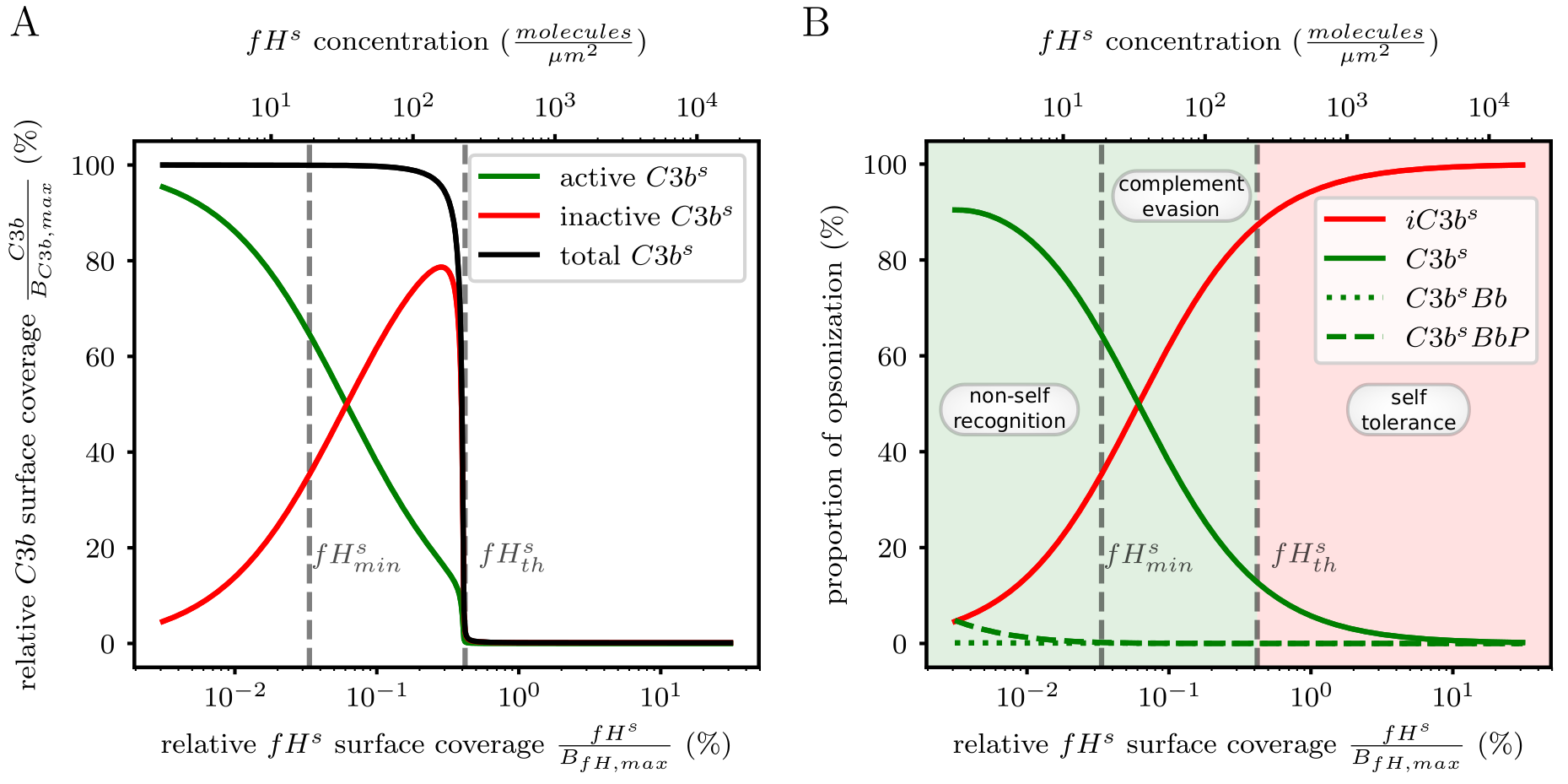
Modelling Factor H Mediated Self vs. Nonself Discrimination Applied Systems Biology HKI Jena
(So a Web of Science h-index might look different when searched through different institutions.) 1 Schreiber, M. (2008). An empirical investigation of the g-index for 26 physicists in comparison with the h-index, the A-index, and the R-index. Journal of the American Society for Information Science and Technology, 59(9), 1513.
Journal Impact Factor Web of Science UofL Libraries at University of Louisville

Author H-index in Web of Science. The h-index of a scholar measures their productivity and the impact of their publications. The h-index is calculated where the number is equal to the highest number of papers by the author that have n or more citations. For example, if an author has an h-index of 18, they have 18 publications that have been.